Festivities in Peru
Festivals and Celebrations
Fiesta de la Cruz (across Peru):
Date.2-3 may,
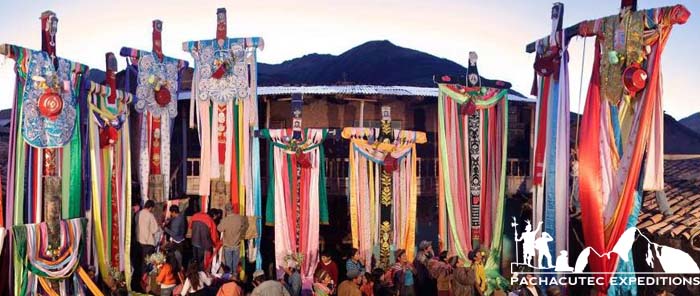
The Festival of the Cross isn’t as solemnly Catholic as it might sound. Best in Lima, Cusco, and Ica, the festival does feature cross processions (although the decorated crosses are vibrant), but it also displays a surfeit of folk music and dance, the highlight being the daring “scissors dancers,” who once performed on top of churches.
Inti Raymi (Cusco)
Date.23-25 june
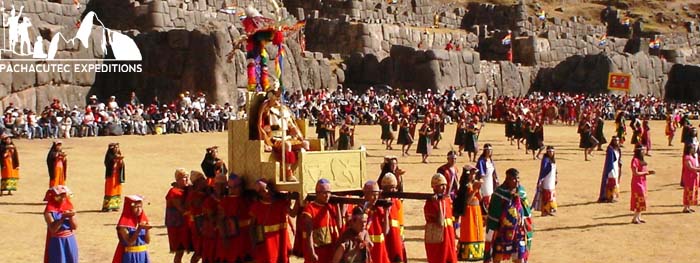
The Festival of the Sun, one of the greatest pageants in South America, celebrates the winter solstice and honors the Inca sun god with a bounty of colorful Andean parades, music, and dance. It takes over Cusco and transforms the Sacsayhuamán ruins overlooking the city into a majestic stage.
Virgen de la Candelaria (Puno)
Date,
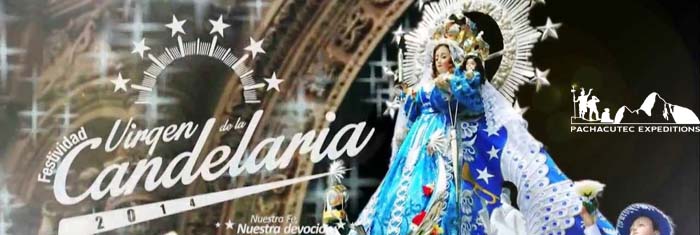
Perhaps the epicenter of Peruvian folklore, imbues its festivals with a unique vibrancy. Candlemas (or Virgen de la Candelaria), which is spread over 2 weeks, is one of the greatest folk religious festivals in South America, with an explosion of music, dance, and some of the most fantastic costumes and masks seen anywhere.
Puno Week (Puno): Puno, the fiesta capital of Peru, rises to the occasion for a full week every November to mark its Amerindian roots. A huge procession from Lake Titicaca into town remembers the legend of the first Inca emperor, who emerged from the world’s highest navigable lake to establish the Inca Empire. The procession deviates into dance, music, and oblivion. Day of the Dead, early in the week, is a joyous celebration that prompts picnics at cemeteries.
Virgen del Carmen (Cusco)
Date: 15 – 16 Jul
When the Spanish conquered the Inca Empire, they imposed their customs and religion. The reason there are so many festivities dedicated to the Virgin is because, in secret, she represented the cult towards the Pachamama or mother earth to the natives.
In Paucartambo, at 110 km from Cusco, we celebrate Del Carmen Virgin or Mamacha Carmen festivity. She is the mother of mestizos, that is to say those children born from Spaniards and native mothers. During the celebration, we can appreciate a colorful parade filled with music, choirs that sing in Quechua and groups that represent different Peruvian history dramatizations. On the main day, the image of the Virgin goes on procession by the town streets blessing the participants and scare away the demons that practice risky pirouettes over the roofs. The war between the faithful and the demons is a show that mixes paganism and faith. The endless fight between the good over the evil where good ones win. Come and celebrate the Mamacha Festivity!
Reyes Magos (Ollantaytambo)
(06 January)
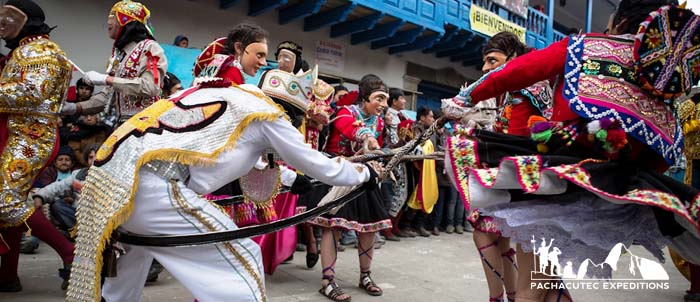
Photos of Reyes Magos Festival, Ollantaytambo, Peru
A beautiful festival held in the picturesque town of Ollantaytambo each year. The Reyes Magos (or Magi in English) are more commonly referred to as Three Wise Kings (generally known as Caspar, Melchior and Balthasar). This festival, held on 06 January (Epiphany), is a Christian celebration which commemorates the visit by the Three Wise Men bearing presents of gold, frankincense and myrrh shortly after Jesus’ birth.
Señor de los Temblores (cusco)
Date. March second half April 1st week
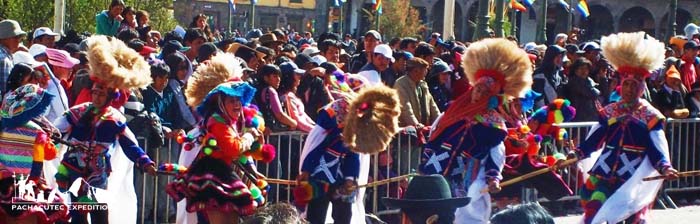
(Lord of earthquakes) Cusco. Ever since 1650, when the faithful claim that an oil painting of Christ on the Cross held off a devasting earthquake that was rattling the city of Cusco, the locals have been honoring the image of Taytacha Temblores, the Lord of the Earthquakes. The image used today was donated by King Charles V and despite centuries of smoke from candles and incense, no one has dared to restore the blackened painting, that given the Christ a somber aspect and a dark countenance. The Lord of the Earthquakes is taken out in procession through the streets of the city just as the Incas used to parade the mummies of their high priests and high rulers. This celebration is of particular interest because it allows onlookers to get a glimpse of the fusion of Andean religions and Christianity.
Señor de Milagros (lima)
Date.October 18 – 28 –
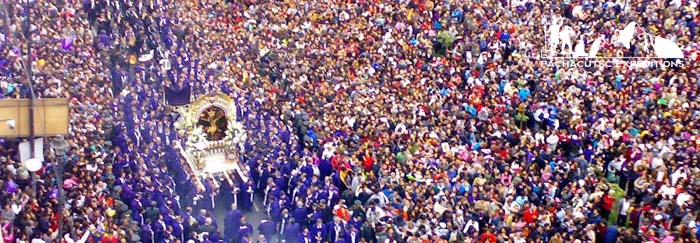
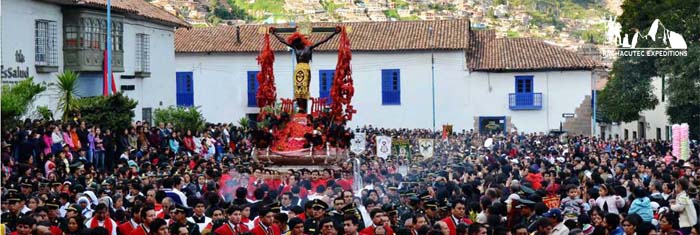
(Lord of The miracles Parade): (Lima):multitudinary processions worldwide takes the procession dates back to colonial times, when a slave drew the image of a black Christ on the walls of a wretched hut in the plantation of Pachacamilla, near Lima. The famous image has remained intact in spite of time, earthquakes and other cataclysms. As a result worship of the image rose to new heights, until it became the largest procession in South America. During the whole month the litter is taken in a trailer to distant places throughout the city followed by ten of thousands pilgrims dress in purple tunics. Around this time of year, the streets fill with vendors of a wide variety of typical dishes sweets, such as the famous Turron de Doña Pepa. In October to commemorate the Lord of Miracles (Señor de los Milagros) Lima hosts the well-known bullfight season in which the best toreros in the world participate. It takes place in the centuries-old Plaza de Acho bullring.